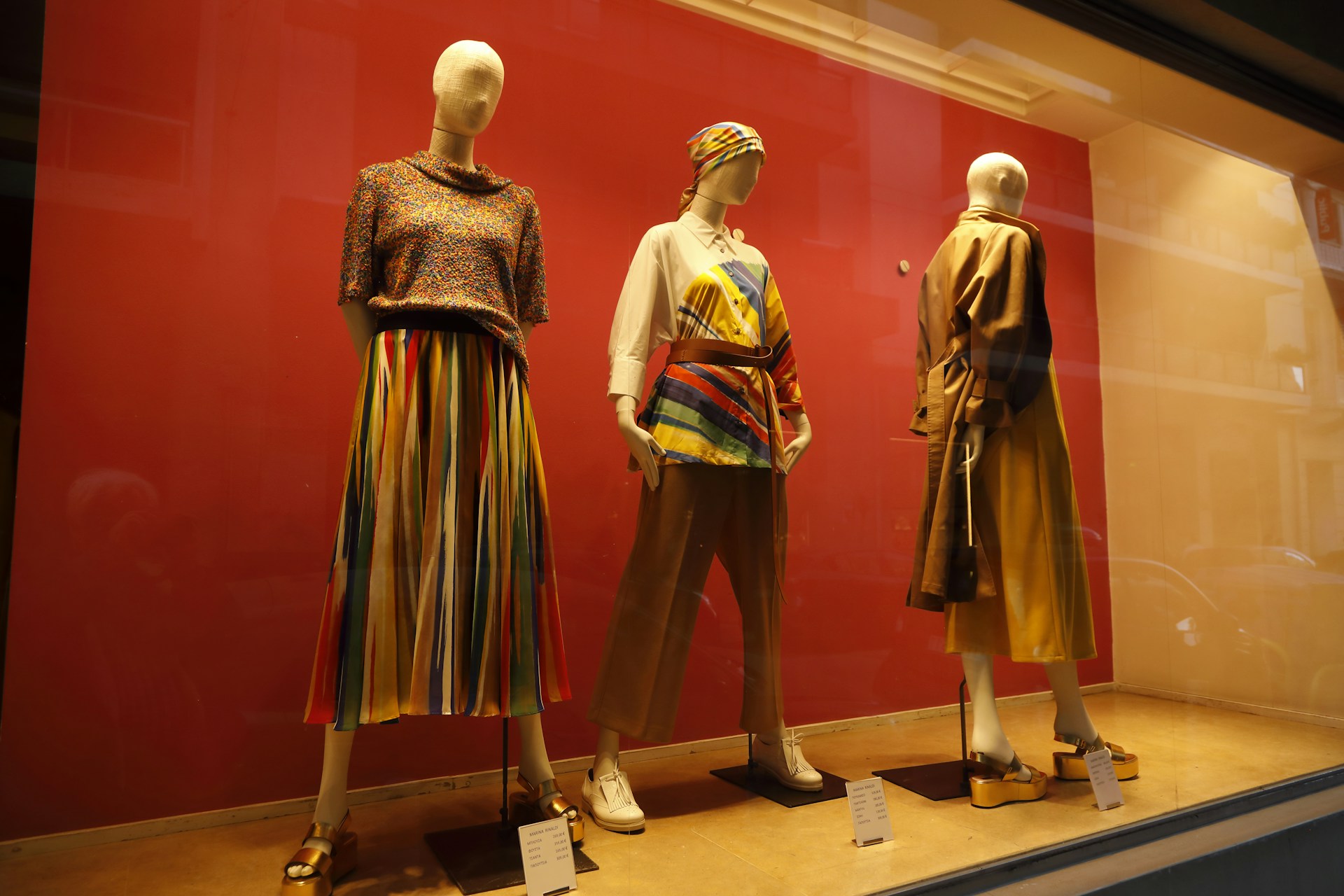
Sustainable fashion is gaining attention as people rethink how clothing affects the planet and society. Fashion choices influence resources, labor conditions, and waste levels worldwide. Ethical clothing focuses on responsibility, fairness, and long-term impact. It encourages consumers to value quality over excess. Understanding why sustainable fashion matters helps individuals make better decisions. This topic connects style with awareness and action. It also reflects growing demand for transparency. Exploring this subject reveals how clothing can support positive change. Today matters.
Understanding Sustainable Fashion
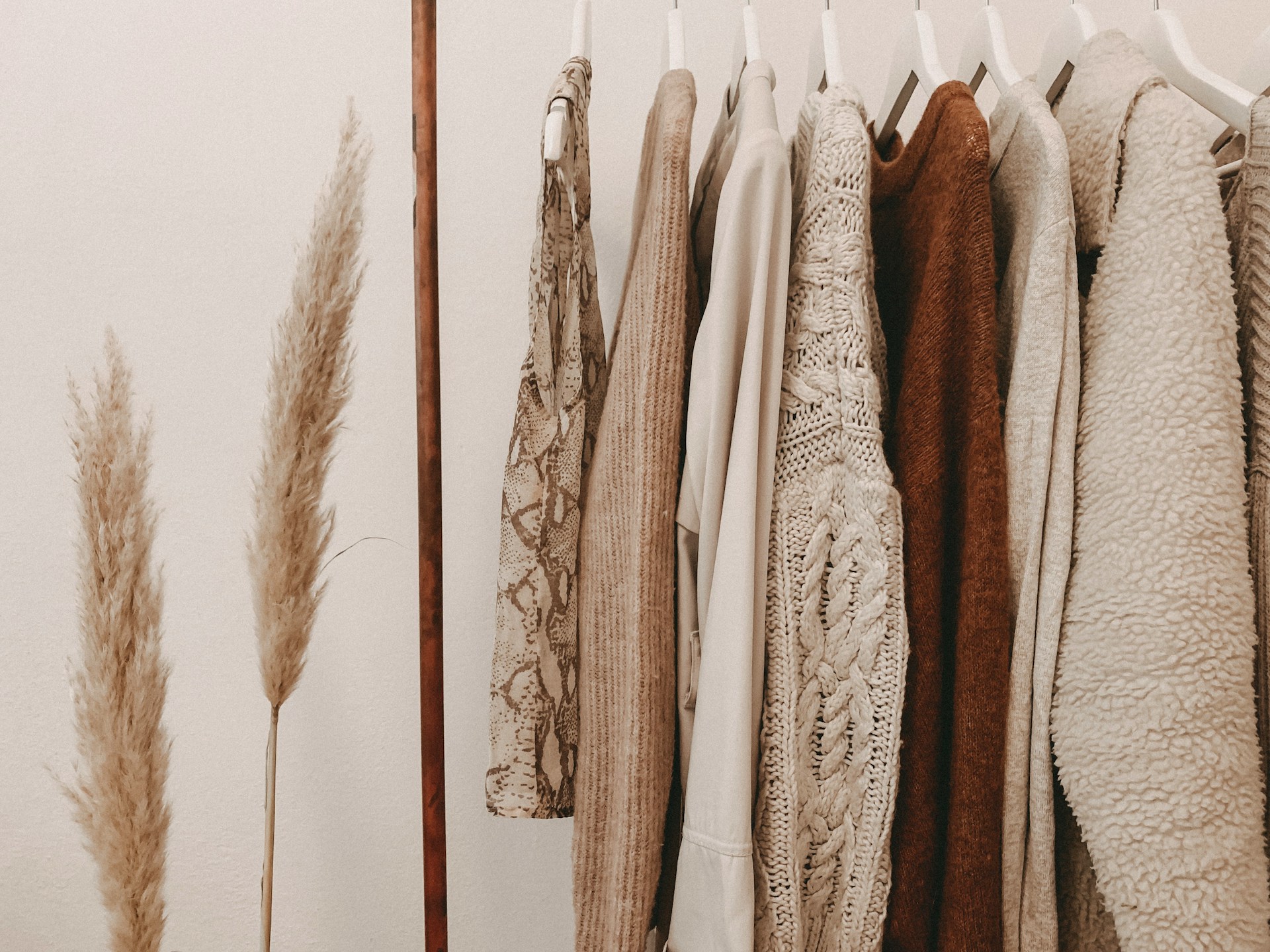 Sustainable fashion refers to clothing made with respect for people, animals, and the environment. It considers how materials are sourced, how workers are treated, and how products are disposed of after use. This approach reduces harm caused by fast production cycles. It supports responsible manufacturing practices and encourages mindful consumption. Brands adopting ethical methods aim to lower pollution and waste. They also promote fair wages and safer workplaces. Understanding these principles helps shoppers make informed choices daily.
Environmental Impact of Clothing Choices
The fashion industry uses vast amounts of water, energy, and chemicals. Poor production methods contribute to pollution and climate stress. Sustainable fashion seeks to reduce these effects through better materials and processes. Organic fibers and recycled fabrics help conserve resources. Lower emissions and waste management protect ecosystems. Choosing responsibly made clothing supports environmental balance. Small decisions can create meaningful change over time. This approach highlights how everyday purchases influence planetary health and future stability greatly.
Ethical Labor and Fair Treatment
Behind every garment are workers whose rights matter. Ethical fashion promotes safe working conditions and fair compensation. Many fast fashion systems rely on underpaid labor. Sustainable brands aim to correct this imbalance. They support transparency across supply chains. Fair treatment builds dignity and stability for communities. Consumers play a role by supporting accountable companies. Awareness encourages better standards worldwide. Respect for workers strengthens trust and long-term industry health. Ethical labor practices reflect shared responsibility.
Quality Over Quantity in Fashion
Modern culture often promotes constant buying. Sustainable fashion challenges this habit by valuing durability. Well-made garments last longer and perform better. Investing in fewer items reduces waste and saves resources. It also encourages thoughtful style choices. Quality clothing often feels better and fits more comfortably. Over time, this approach supports mindful consumption. Choosing long-lasting pieces helps balance cost and value. This mindset promotes a more sustainable wardrobe culture. It reduces pressure on production.
Materials and Innovation in Ethical Fashion
Innovation plays a key role sustainably. Designers explore plant-based fabrics and recycled fibers. These materials reduce dependence on harmful resources. Technology improves fabric durability and comfort. New methods lower water and energy use. Creative solutions help brands meet demand responsibly. Innovation also supports transparency in sourcing. This progress encourages industry growth without excess waste. Thoughtful material choices reflect care for nature. Innovation helps align fashion with environmental goals. This evolution continues.
Consumer Awareness and Responsibility
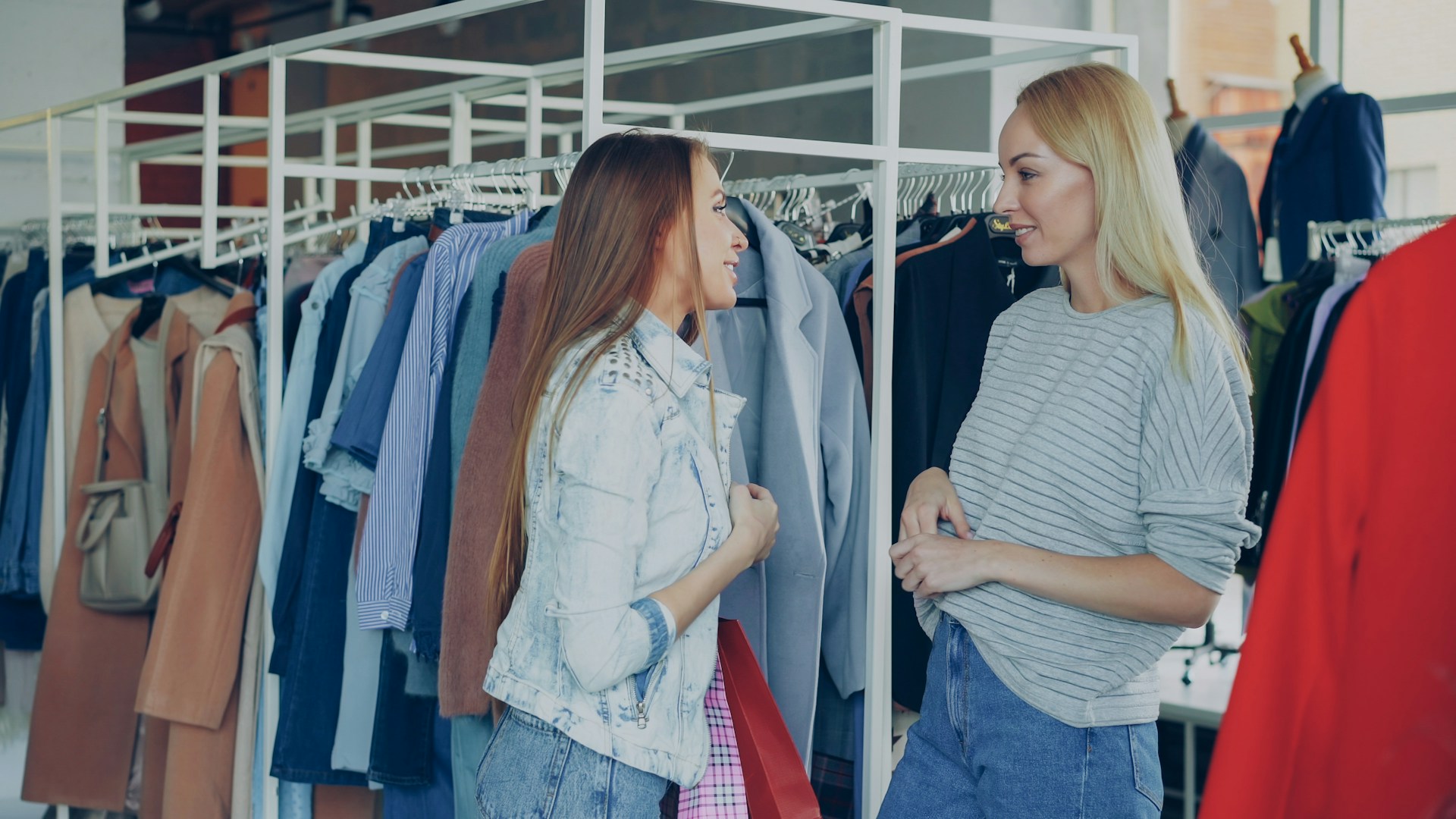
Consumers shape the fashion industry through daily choices. Awareness helps people understand where clothing comes from. Informed buyers can support ethical brands. Reading labels and researching practices encourages accountability. Small actions influence large systems. Responsible shopping reduces demand for harmful production. It also rewards companies that value fairness. Education plays a central role in behavior change. Shared responsibility builds momentum for improvement. Conscious decisions can inspire broader cultural shifts. Awareness leads to long-lasting impact today.
Economic and Social Benefits
Sustainable fashion supports long-term economic stability. Ethical businesses often invest locally and create stable jobs. This strengthens communities and livelihoods. Fair practices build trust between producers and consumers. Social benefits include safer workplaces and better living standards. These outcomes extend beyond clothing. Responsible systems promote cooperation and respect. Over time, ethical fashion can influence broader economic models. Balanced growth supports resilience. Sustainable practices encourage thoughtful consumption patterns. Economic fairness and social care work together naturally.
The Future of Sustainable Fashion
The future of fashion depends on shared effort. Brands, consumers, and policymakers shape progress together. Innovation will continue to refine materials and systems. Education will guide better choices. Transparency builds trust across markets. Demand for ethical products continues to grow. This shift reflects changing values and priorities. Long-term success requires commitment and cooperation. Fashion can evolve without harming people or nature. A thoughtful approach supports balance and accountability. The future holds opportunity for change.
Sustainable fashion matters because it links personal choices with global outcomes. Ethical clothing supports people, protects resources, and reduces harm. It promotes mindful consumption and long-term thinking. Change does not require perfection. Small steps still matter. When consumers and brands cooperate, progress becomes possible. Responsible fashion reflects care for future generations and shared accountability.